
Eighteen months ago, a foundation partner made an exploratory grant to URI with a clear, modest goal: train 300 people across Central America in a public-health approach to preventing violence. It was meant to test an idea. What it became was something closer to a movement.
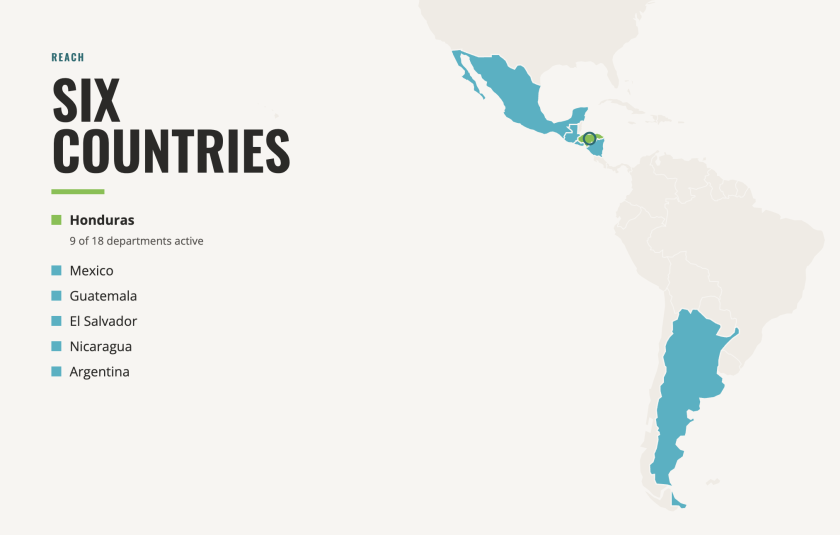
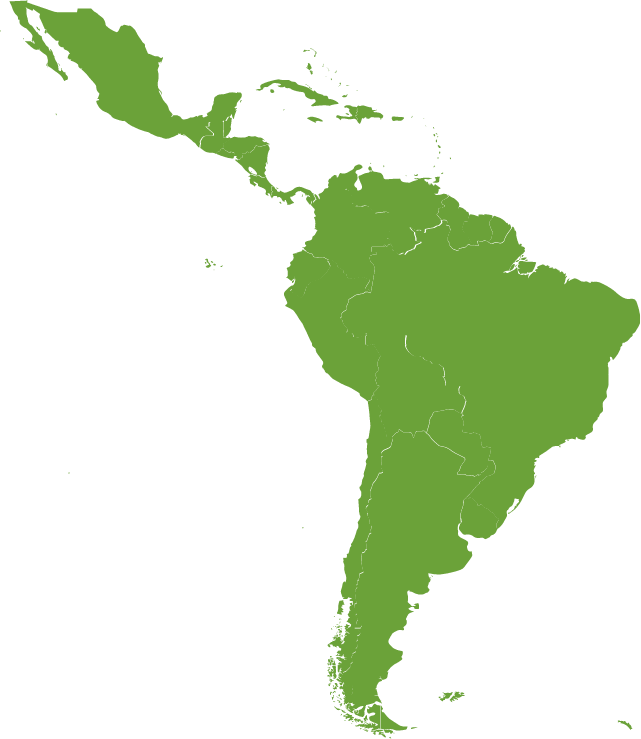
By the close of the grant, URI had trained more than 600 people, double the original target, across nine of Honduras's eighteen departments, and had reached into Argentina, El Salvador, Guatemala, Mexico, and Nicaragua. What started as an externally designed training program shifted, deliberately, into something locally owned: women and youth across the region now design and lead these trainings themselves.
Training a movement
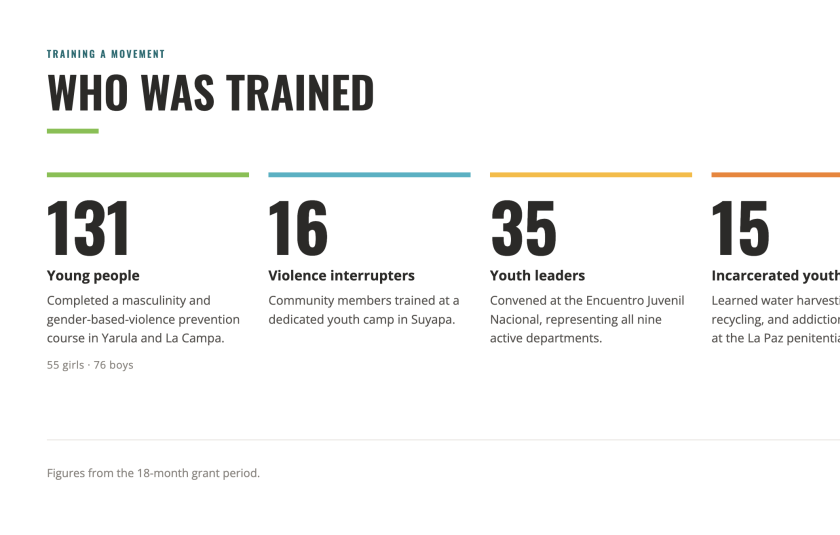
The core of this work was direct, structured training in violence prevention. In Yarula and La Campa, 131 young people (55 girls, 76 boys) completed a masculinity and gender-based-violence prevention course. In Suyapa, 16 community members trained as violence interrupters at a dedicated youth camp. At a national gathering, the Encuentro Juvenil Nacional, 35 youth leaders arrived representing all nine active departments.
Other parts of the training reached places no one would have predicted. At the La Paz penitentiary, 15 incarcerated youth learned water harvesting, recycling, and addiction prevention, turning a place built around confinement into a place of skill-building and second chances.
Where Communities Took the Lead
The most striking part of this grant may not be the training numbers at all. It's what happened when URI stepped back and let communities lead.
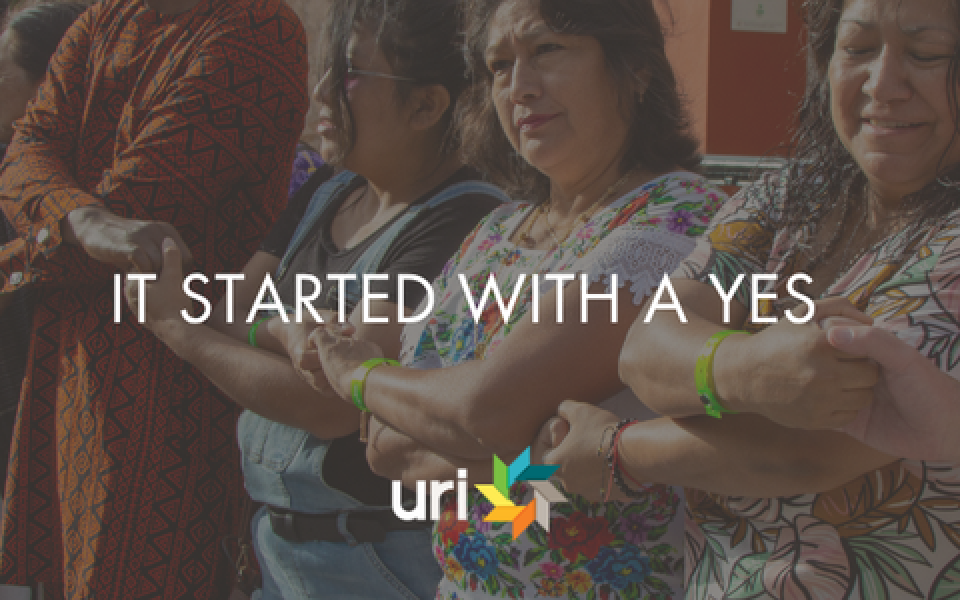
In Mérida, 45 Indigenous leaders from nine countries gathered for three days of dialogue, cultural exchange, and collective strategizing, co-creating a regional declaration together. In Oaxaca, leaders returned to focus on protecting ancestral medicine and spirituality, work significant enough that a short film is being made to document it.
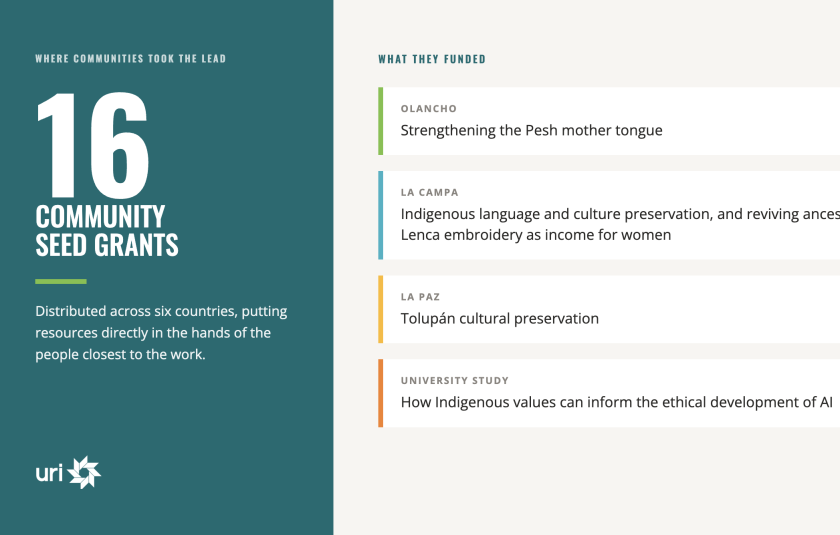
Sixteen community seed grants, distributed across six countries, went even further: putting resources directly in the hands of the people closest to the work. In Olancho, a grant supported strengthening the Pesh mother tongue. In La Campa, funding went toward Indigenous language and culture preservation, and toward reviving ancestral Lenca embroidery as a source of income for women. In La Paz, a grant supported Tolupán cultural preservation. One seed grant even funded a university study on how Indigenous values can inform the ethical development of AI.
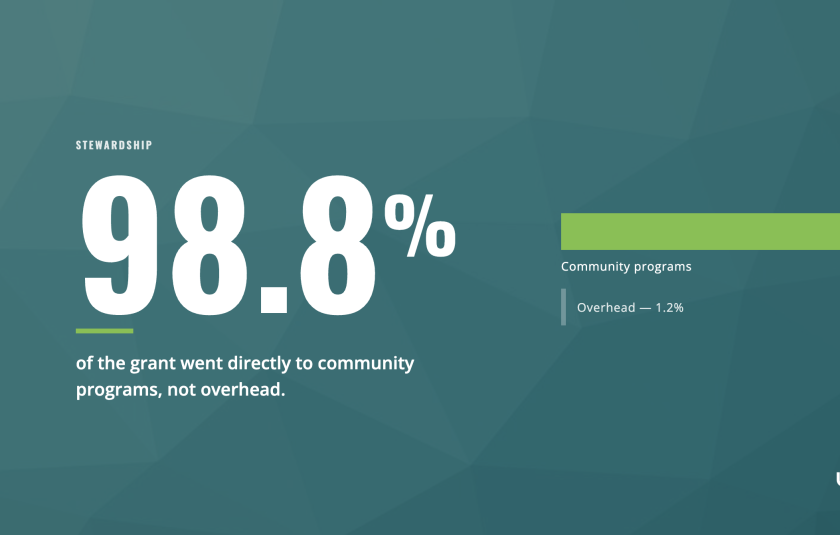
Nearly every dollar of the original grant reached this work directly: 98.8% went to community programs, not overhead.
Seeing Impact in Real Time
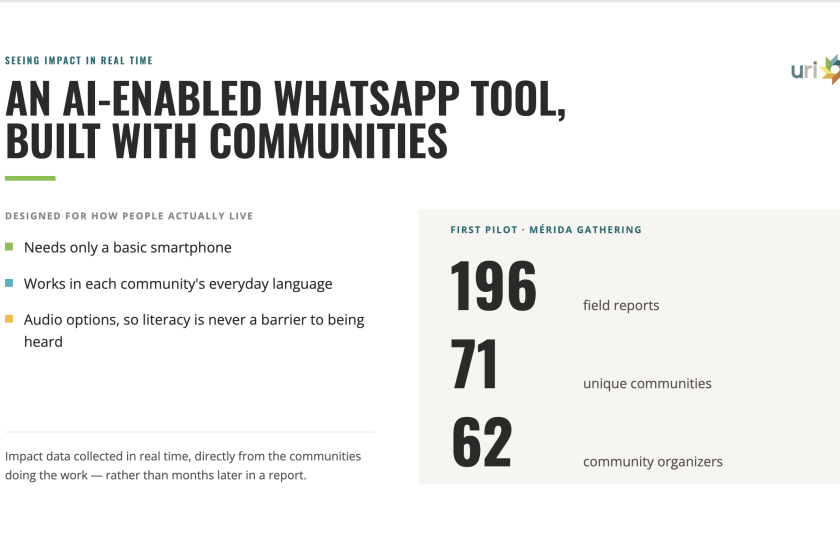
One of the quieter innovations to come out of this grant may end up mattering the most. In partnership with Valen AI, URI built and piloted an AI-enabled WhatsApp tool that collects impact data in real time, directly from the communities doing the work.
It's designed for the way people actually live and communicate: it needs only a basic smartphone, it works in each community's everyday language, and it includes audio options so that literacy is never a barrier to being heard. In its first pilot, at the Mérida gathering, it collected 196 field reports from 71 unique communities and 62 community organizers. It's a small tool with a large ambition: helping URI, and its donors, see impact as it happens rather than months later in a report.
What This Grant Taught Us
A few lessons came out of this work clearly enough that they're shaping how URI approaches funding going forward:
Small grants are catalytic. Often, a modest grant is the only thing standing between a community's intention and its action, covering the cost of equipment, transport, food, or facilitation that makes a plan real.
Ownership creates sustainability. Projects that were embedded in existing community structures, collectives, youth networks, church networks, outlasted the grant itself.
Belonging prevents violence. Across every community, the throughline was the same: meaningful roles, safe spaces, and dignified income do more to weaken the roots of violence than almost anything else.
Local leaders build peace. Investing in youth coordinators, women leaders, and teachers generates outcomes that reach well beyond what any single grant can fund directly.
What Comes Next
What began as a single exploratory grant is now shaping URI's approach to community-led peacebuilding well beyond Central America. It's a reminder of what's possible when a donor is willing to fund an idea before it's fully proven, and then trust the communities closest to the work to take it further than anyone imagined.
We're delighted to share that URI is continuing this work with the same donor, building on everything this grant made possible and expanding programming in Central and South America.
If you'd like to learn more about supporting work like this, reach out to us at [email protected].