
Building Lasting Peace Through Everyday Interfaith Action
The URI Middle East and North Africa (URI MENA) remains a vibrant force for peace, cooperation, and healing across one of the world’s most diverse and complex regions.
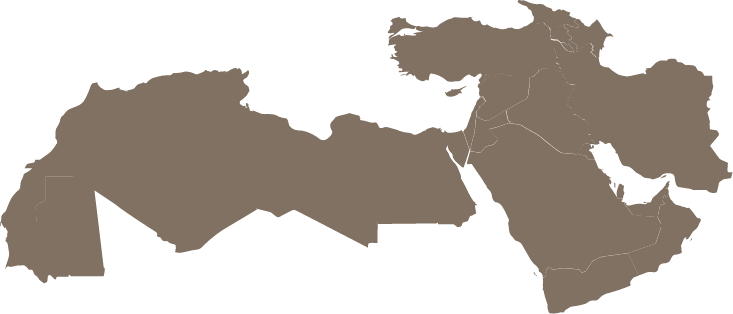
As the trusted regional hub of the global URI network, URI MENA supports over 75 Cooperation Circles (CCs) in 14 countries that carry forward the mission of daily interfaith cooperation to end religiously motivated violence and foster cultures of justice, dignity, and mutual respect.
A Region-Wide Commitment to Interfaith Peace
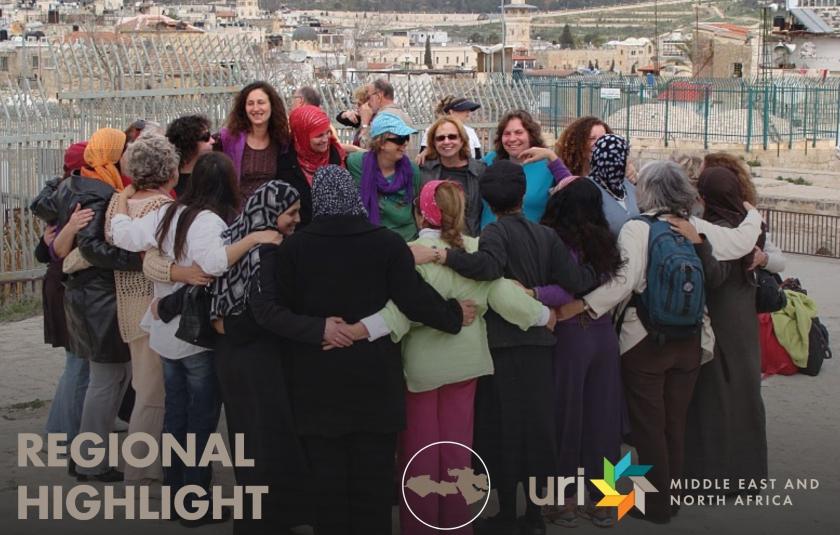
At the heart of URI MENA’s work are its grassroots Cooperation Circles spanning countries from Egypt, Iraq, Jordan, and Palestine to Morocco and the UAE, each bringing together people from three or more faiths and spiritual paths to create shared solutions to local challenges. These CCs serve as engines of dialogue, reconciliation, youth voice, women’s empowerment, and community service within their own contexts.
Across the past year, URI MENA reveals a dynamic array of peacebuilding, empowerment and engagement initiatives that bring tangible benefits to communities:
- Youth empowerment and digital literacy activities, including International Youth Day forums and ethical storytelling workshops.
- Women’s empowerment and support networks, from psychosocial care to capacities-building sessions.
- Environmental peace actions, such as SDG workshops and sustainability training.
- Celebrations of World Interfaith Harmony Week and other global observances that deepen shared purpose and strengthen cross-community bonds.
- These events not only nurture local peace cultures but also equip members with skills in conflict transformation, storytelling, and intercultural understanding essential leadership tools for resilient communities.
Youth and Women Turning Stories into Shared Strength
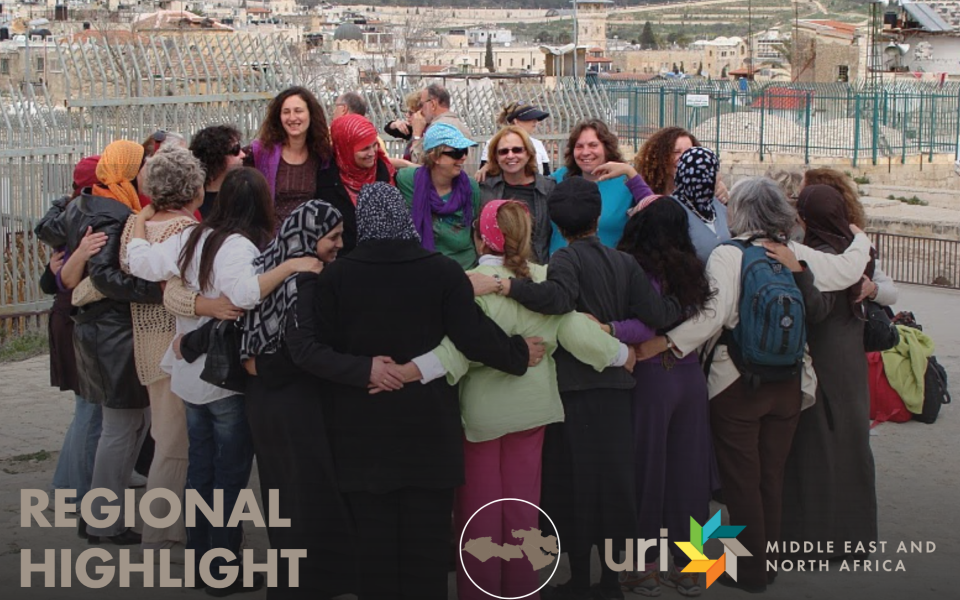
Youth leaders and women activists remain central to URI MENA’s impact story. Across Cooperation Circles, young people are mobilized to lead digital awareness campaigns, capacity training, and cross-border dialogue exchanges, forging new pathways for collaboration. Simultaneously, women’s networks foster solidarity, mutual respect, and shared leadership at local and regional tables. These efforts collectively build bridges where division once prevailed.
As one woman leader expressed during a community gathering:
“When women from different faiths sit together, we don’t start with theology, we start with life. From there, trust grows naturally.”
Youth voices echo this transformation:
“URI taught me that peace doesn’t start with agreements, it starts with relationships.”
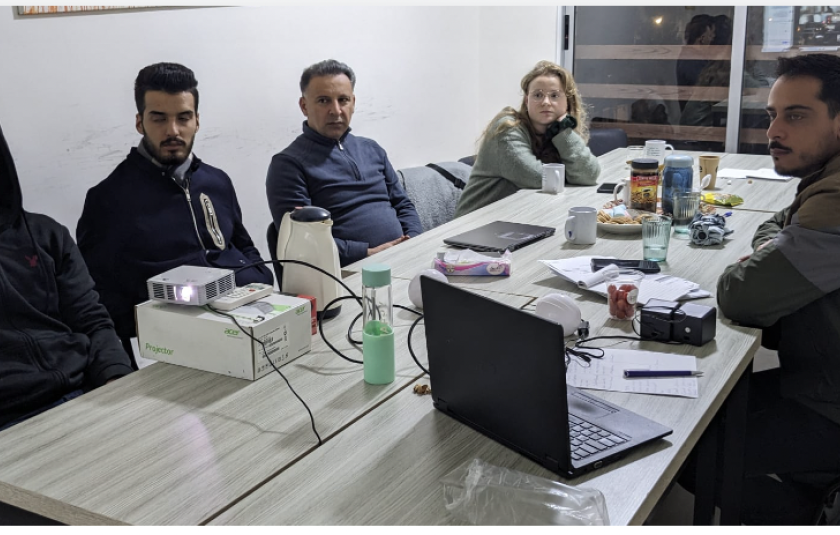
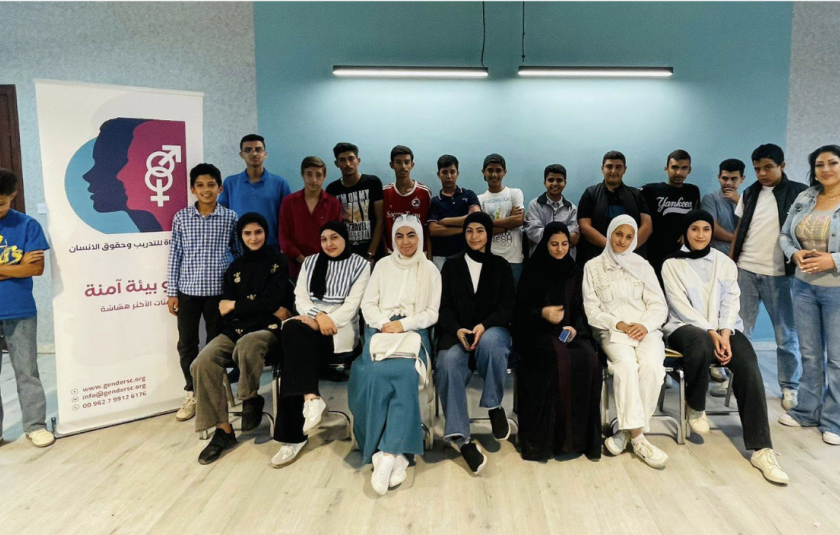
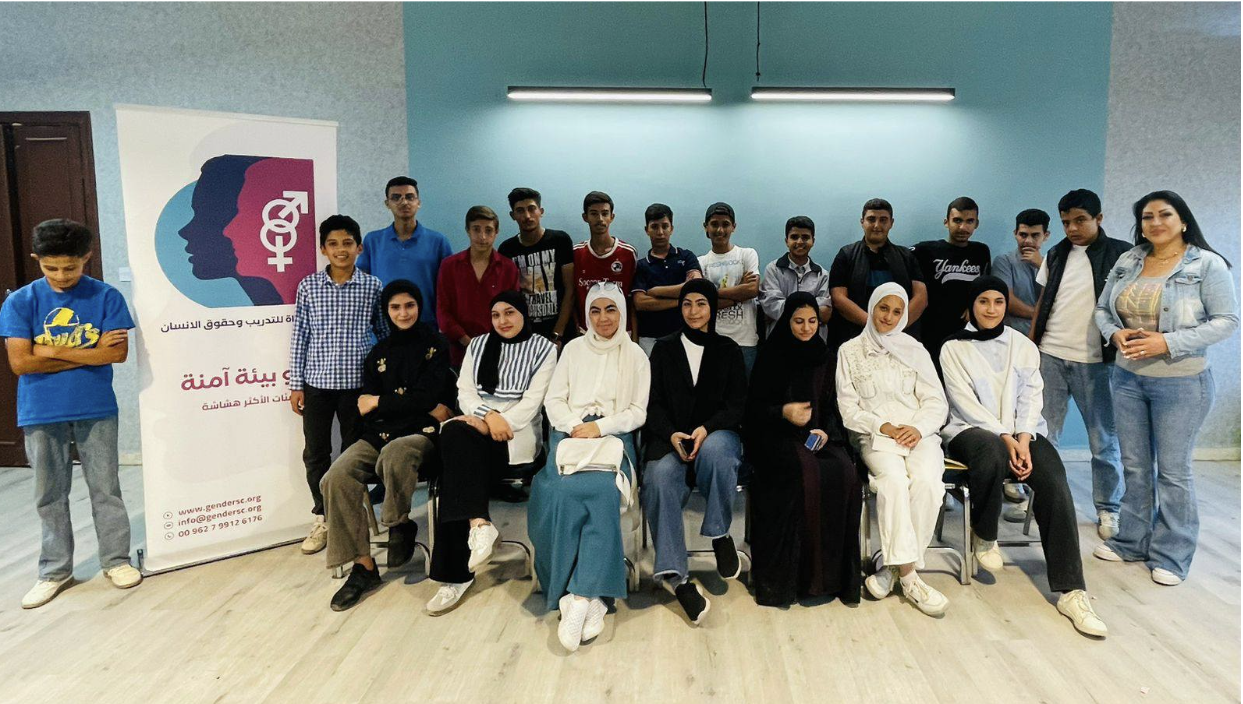
Dr. Hiba Haddadin, Director General of the Equality for Training and Human Rights CC, underscored the “combating hate speech workshop in Madaba, Jordan” saying:
"In a world of increasing divisions, the role of youth becomes crucial in building bridges of communication rather than walls of hate. Empowering youth with the tools to counter hate speech is an investment in a more peaceful and just future. This workshop reaffirms our commitment to supporting them to become leaders of dialogue and pluralism in their communities."
A safe space for women
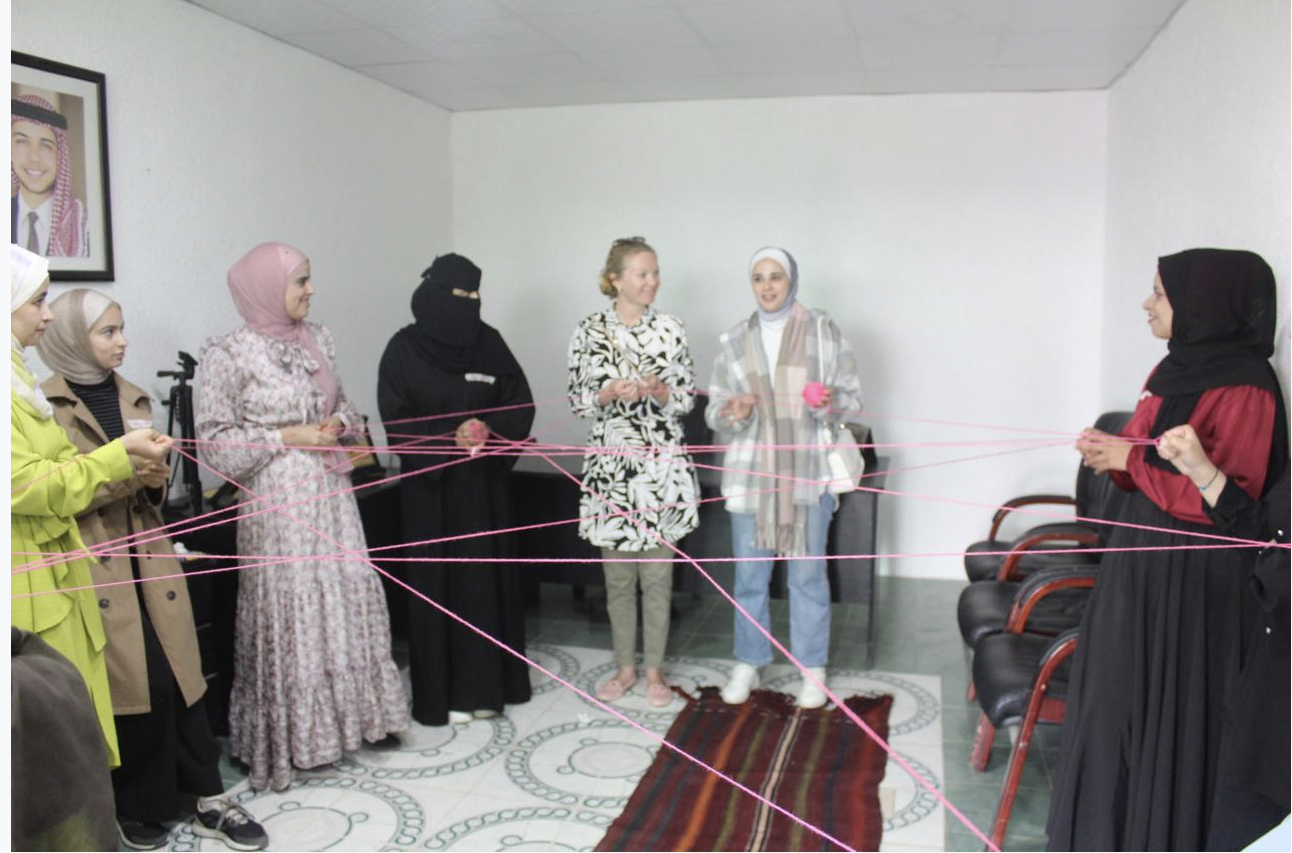
Women Circles in the Middle East and North Africa
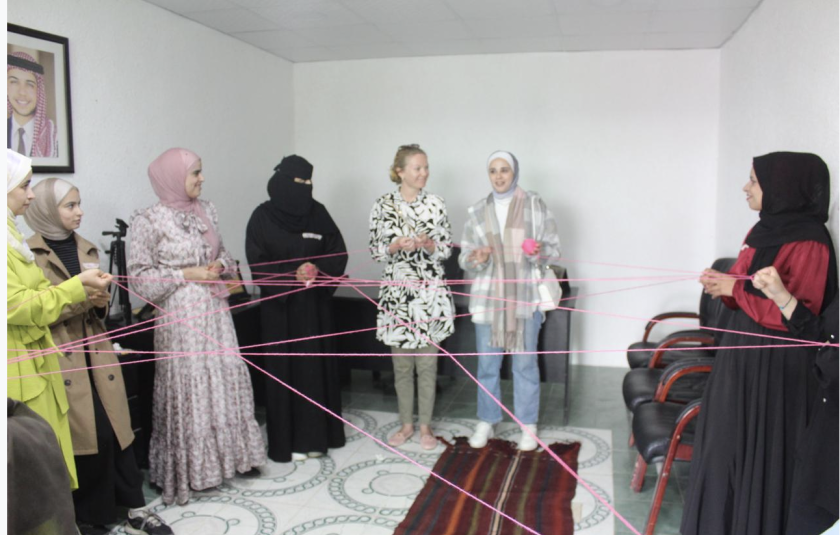
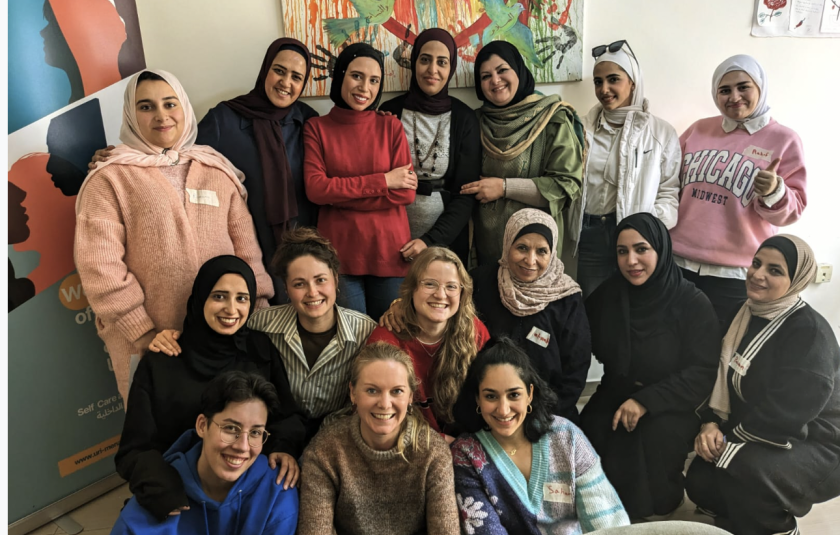
URI Middle East and North Africa (MENA) launched the ‘women’s circle,’ an initiative that brings together women-led URI Cooperation Circles in the Middle East and Northern Africa.
These circles are a safe space for women to share, learn, and support one another to promote collective healing.
Women share techniques to deal with difficult emotions, prioritize their values, and practice self-care, and through shared experience and mutual support, they create safe spaces for dialogue, healing, and empowerment.
This initiative started with a trainer of trainers with 12 women, from 6 cooperation circles spread across the region, including Maan, Wadi Rum, Madaba, Amman, Mafraq, and Zarqa, and is steadily growing in the region.
Activities and initiatives like ensuring safe spaces for women, especially in conflict and post-conflict areas, highlight the vital role women play in collective healing, fostering resilience, and rebuilding communities.
Strategic Positioning and Regional Connectivity
URI MENA’s regional assembly and exchanges, including partnerships with Euro-Med and Erasmus+ programs, deepen the network’s outreach, doctrine-neutral learning, and access to global opportunities, particularly for youth and social workers
Importantly, URI MENA’s work resonates with broader regional movements toward peace and resilience. By connecting grassroots action with structural conversations on peace, social cohesion, and community prevention vital themes across MENA civil society, the network amplifies its influence beyond its immediate constituencies.